How to Stop Foreclosure in Texas: Your Options Explained
If you have fallen behind on your mortgage, the fear can feel heavy. The mail piles up. The phone calls start. It is easy to believe there is nothing you can do. The truth is that homeowners in this spot often have more time and more options than they think. This guide walks through how the Texas process generally works and the paths people commonly consider, so you can take the next step with a clearer head.
You likely have more time than it feels like
When you miss a payment, it can feel like the house is gone tomorrow. That is rarely how it works. The process has steps, and each step takes time. During that time, options usually exist. The most important thing many homeowners do is reach out early. The sooner you understand where you stand, the more choices tend to be on the table.
Take a breath. You are reading this, which means you are already looking for a way forward. Real problems, real solutions. Let us look at what the road generally looks like in Texas.
How foreclosure generally works in Texas
In Texas, foreclosure is commonly a non-judicial process, which means it can move faster than in some other states. Here is a general picture of the path. Keep in mind that timing varies from one situation to the next, so the dates and order are not promises.
- Lender outreach. After payments are missed, the lender usually reaches out. They often have to give you a chance to catch up before moving ahead.
- Notice of default. The homeowner typically receives a written notice that the loan is behind, along with a window to bring it current.
- Notice of sale. If the loan is not brought current, a notice of sale may follow, naming a date the property could be sold.
- The auction. In Texas, foreclosure sales are generally held on the first Tuesday of the month at the county level, including here in Nueces County.
Because the timeline can be short, many people in this situation contact a qualified attorney or a HUD-approved housing counselor right away. These professionals can explain the exact deadlines for your case and what they mean for you.
Options homeowners often consider
There is rarely just one path. Many homeowners weigh several of these at the same time. None of this is a recommendation. It is a starting point for the conversation you may want to have with a professional.
- Reinstatement. Paying the past-due amount, plus any fees, to bring the loan current.
- Talking to the lender. Some homeowners ask about a loan modification, forbearance, or a repayment plan that spreads the missed amount over time.
- A HUD-approved housing counselor. These counselors are often free and can help you understand your choices and talk with your lender.
- Refinancing. Depending on the situation, replacing the current loan with a new one may be possible.
- Selling before the sale date. Selling the home can let a homeowner pay off the loan and protect any remaining equity rather than losing it at auction.
Each option fits a different set of circumstances. A qualified attorney or housing counselor can help you see which ones may apply to you.
Where selling to REvestors fits
Selling is one option among several, and it is the one we can help with directly. When time is short, a traditional listing may not move fast enough. That is where the Simple-Sale System comes in. REvestors can look at your home and make a fair offer based on the property's condition and comparable sales.
For a homeowner who needs to sell before a sale date, the appeal is the calm, clean exit:
- We can make an offer quickly and close in as few as 7 days when time is tight.
- We buy as-is, so there are no repairs, cleaning, or showings to manage.
- We cover the closing costs, which keeps things simple.
We are not an attorney, a tax professional, or a housing counselor, and we are not here to tell you what to do. If selling turns out to be the right fit for you, we aim to make that one part easy. Whatever you decide, reaching out to a qualified attorney or a HUD-approved housing counselor promptly is something many people find gives them peace of mind.
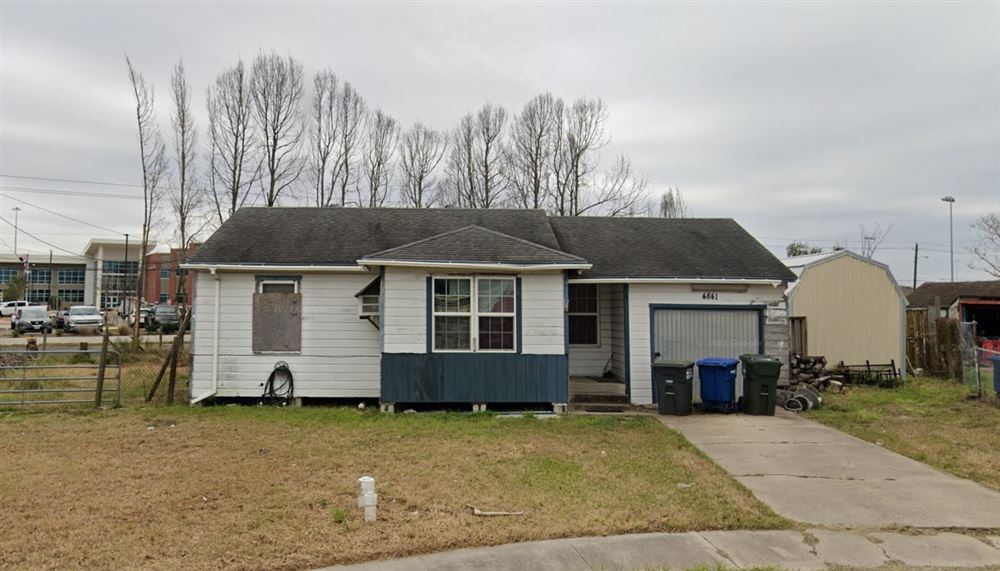
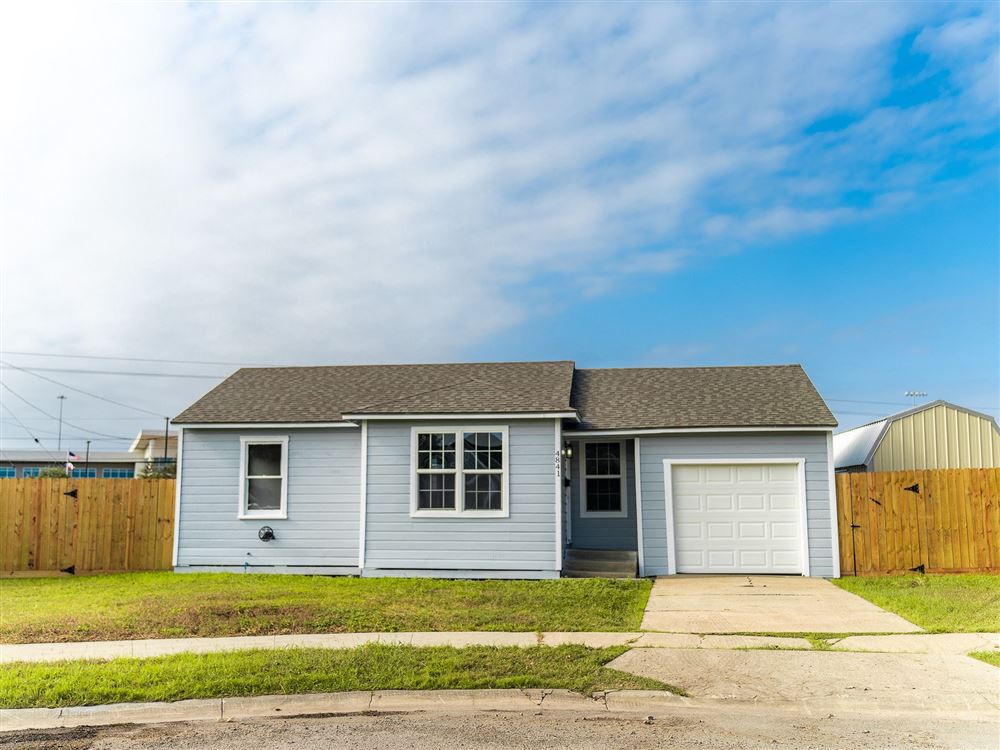
A real Corpus Christi example: We bought a long-vacant Corpus Christi home and paid off the lien and back taxes straight out of the money from the sale, with a fully remote closing.
See more homeowner stories →See what a simple exit could look like
If selling before a sale date is one of the options you are weighing, we can give you a fair, no-pressure offer on your Corpus Christi home. No repairs, no showings, no closing costs on you. Take a look and decide what is right for you.
Get My Fair Offer